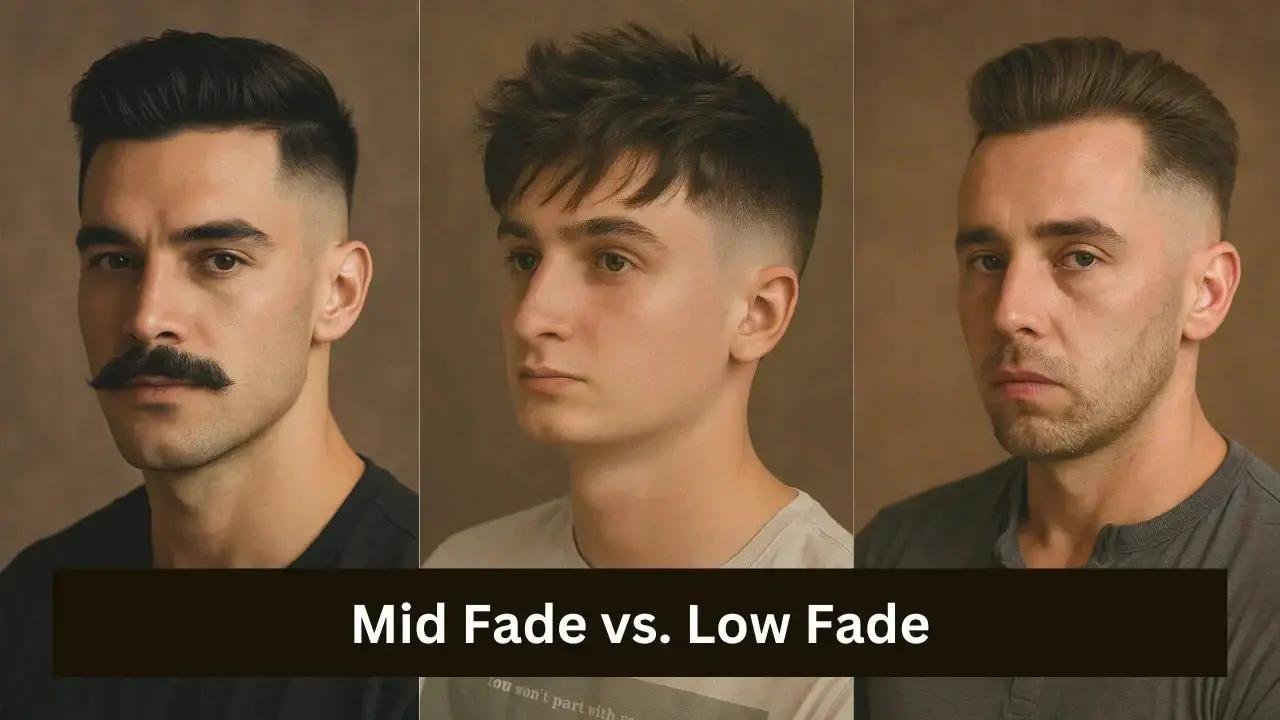
Fade haircuts are some of the most popular men’s styles today, but many people are not sure which type of fade to ask for. Two of the most common options are the low fade and the mid fade. Both look clean and modern, but they create different overall shapes and give off a different style.
If you have ever wondered whether a low fade or a mid fade is better for your face shape, hair type, or personal style, this guide will make it easy to understand.
What Is a Fade Haircut?
A fade is a haircut where the hair gradually transitions from longer to shorter as it moves down the sides and back of the head. The shortest part usually blends into the skin or very short clipper length near the neckline and around the ears.
The main difference between different fades is where the fade starts.
- A low fade starts lower on the head
- A mid fade starts around the middle area of the head
That small difference changes the entire look of the haircut.
What Is a Low Fade?
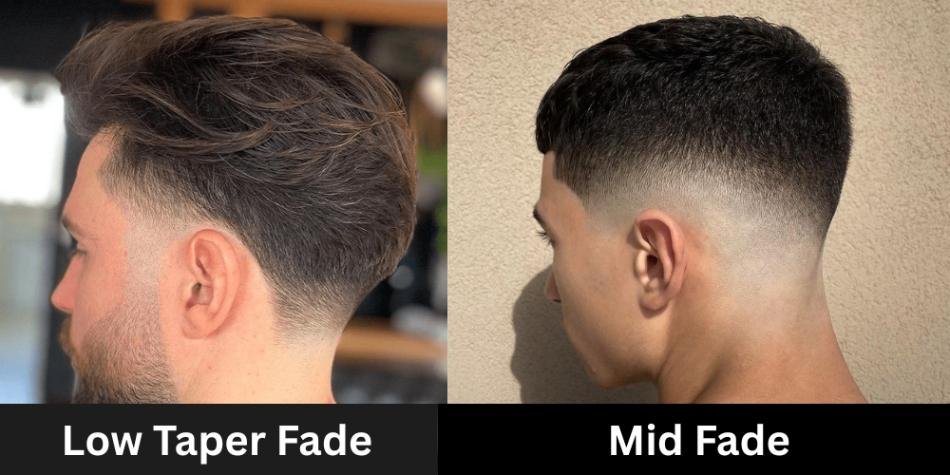
A low fade begins just above the ears and lower on the back of the head. It creates a more subtle and conservative transition from the longer hair on top to the shorter hair on the sides.
Low fade features:
- softer and more natural transition
- cleaner sides without looking too aggressive
- works well for classic and modern styles
- usually easier to wear in professional settings
A low fade is a great option if you want a haircut that looks sharp but not too dramatic.
What Is a Mid Fade?
A mid fade starts higher than a low fade, usually around the middle of the sides and back of the head. This creates more contrast between the top and the faded section.
Mid fade features:
- more noticeable transition
- sharper and more modern look
- stronger contrast between top and sides
- works especially well with trendy hairstyles
A mid fade often feels a bit more fashion-forward than a low fade.
Main Difference Between Low Fade and Mid Fade
The biggest difference is the height of the fade.
A low fade keeps more hair on the sides before blending down.
A mid fade removes more hair higher up, which creates a stronger visual effect.
Because of that:
- the low fade looks softer and more understated
- the mid fade looks bolder and cleaner
Which One Looks More Professional?
In most cases, the low fade looks a little more professional and versatile. It has a cleaner transition and usually works well in office, business, and formal environments.
That does not mean a mid fade looks unprofessional. A mid fade can still look polished, especially when paired with a neat top. But if you want the safer all-around choice, the low fade usually wins.
Which Fade Works Better for Different Hairstyles?
Low fade works well with:
- side parts
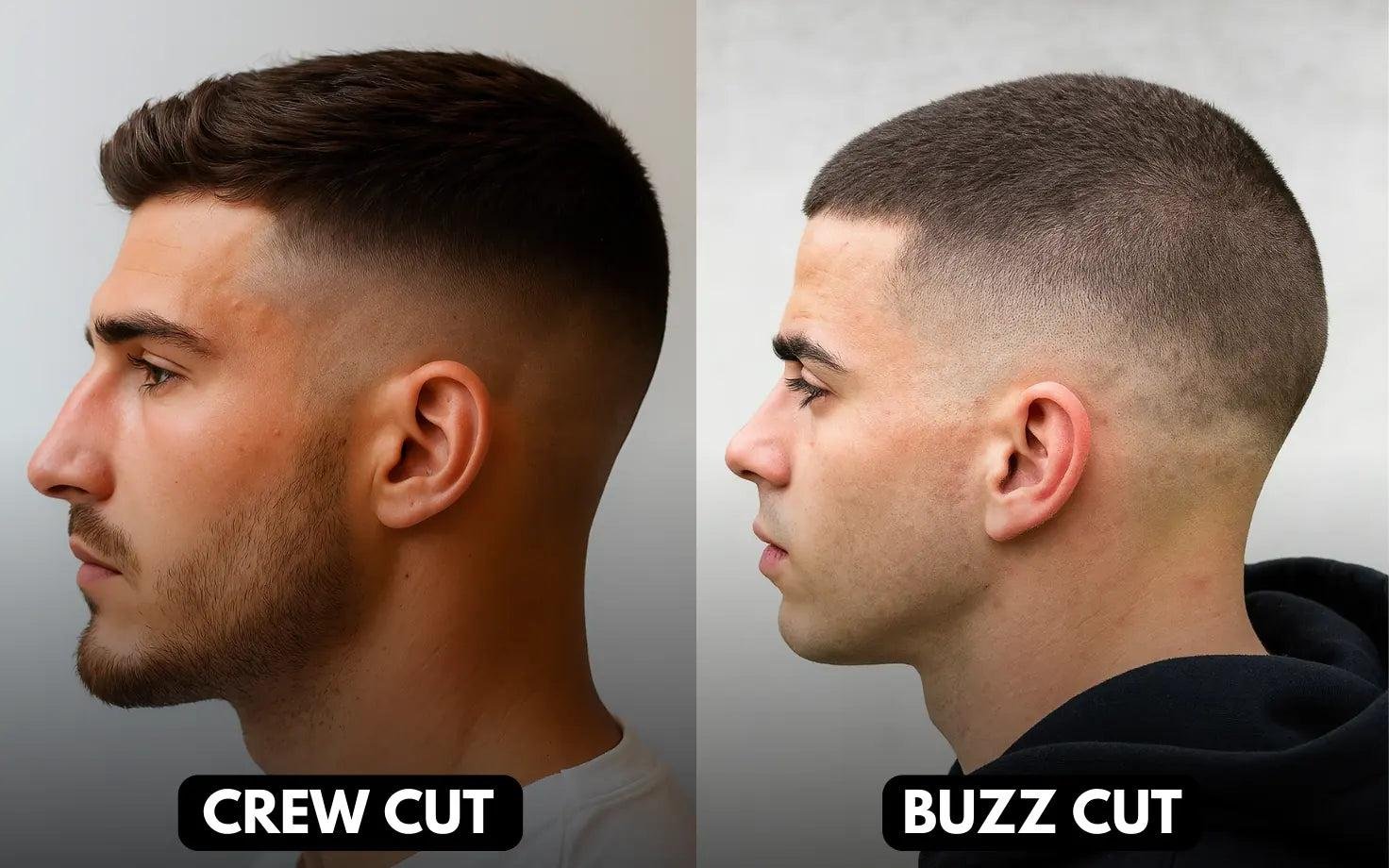
- crew cuts
- Ivy League cuts
- classic taper-inspired styles
- textured crops with a softer look
Mid fade works well with:
- pompadours
- quiffs
- spiky hair
- modern textured styles
- high-contrast short haircuts
If you like a classic barber style, the low fade is often the better fit. If you like a sharper modern look, the mid fade may be better.
Which Fade Is Better for Face Shape?
Low fade
Often works well for:
- longer faces
- oval faces
- men who want a more balanced profile
Because it leaves more visual weight on the sides, it can feel less severe.
Mid fade
Often works well for:
- round faces
- square faces
- men who want a stronger, sharper outline
The stronger contrast can make the haircut look more defined.
Which Fade Is Better for Thick Hair?
Both can work very well on thick hair.
- Low fade: better if you want to control bulk without going too sharp
- Mid fade: better if your thick hair gets very heavy on the sides and you want a cleaner, lighter feel
Which Fade Is Better for Thin Hair?
Thin hair can work with either fade, but the right choice depends on the top.
- A low fade can look more natural and less harsh
- A mid fade can create the appearance of stronger structure if styled well
If the top is already thin, too much contrast on the sides can sometimes make thinning more noticeable, so a low fade can be the safer choice.
Maintenance: Which One Needs More Upkeep?
Both require regular barber visits if you want them to stay sharp.
- A low fade grows out a little more softly
- A mid fade can lose its crispness faster because it is more defined
If you want something that looks clean for longer between cuts, the low fade may be a little easier.
How to Ask Your Barber
For a low fade:
Say:
“Can I get a low fade with [your haircut on top]?”
Example:
“Can I get a low fade with a textured crop on top?”
For a mid fade:
Say:
“Can I get a mid fade with [your haircut on top]?”
Example:
“Can I get a mid fade with a short quiff on top?”
It also helps to show a photo reference.
Common Mistakes to Avoid
Not knowing how much contrast you want
Some men ask for a fade without understanding how sharp they want the look to be.
Choosing based only on trend
The most popular fade is not always the best one for your face shape or lifestyle.
Ignoring the top style
The fade should match the haircut on top, not just look good by itself.
Final Thoughts
The difference between a low fade and a mid fade comes down to how strong and noticeable you want the haircut to look. A low fade is softer, more classic, and more versatile. A mid fade is cleaner, bolder, and more modern.
If you want a safe all-around option, go with the low fade. If you want a sharper style with more contrast, choose the mid fade.
Both can look excellent when matched to the right top haircut, face shape, and personal style.