
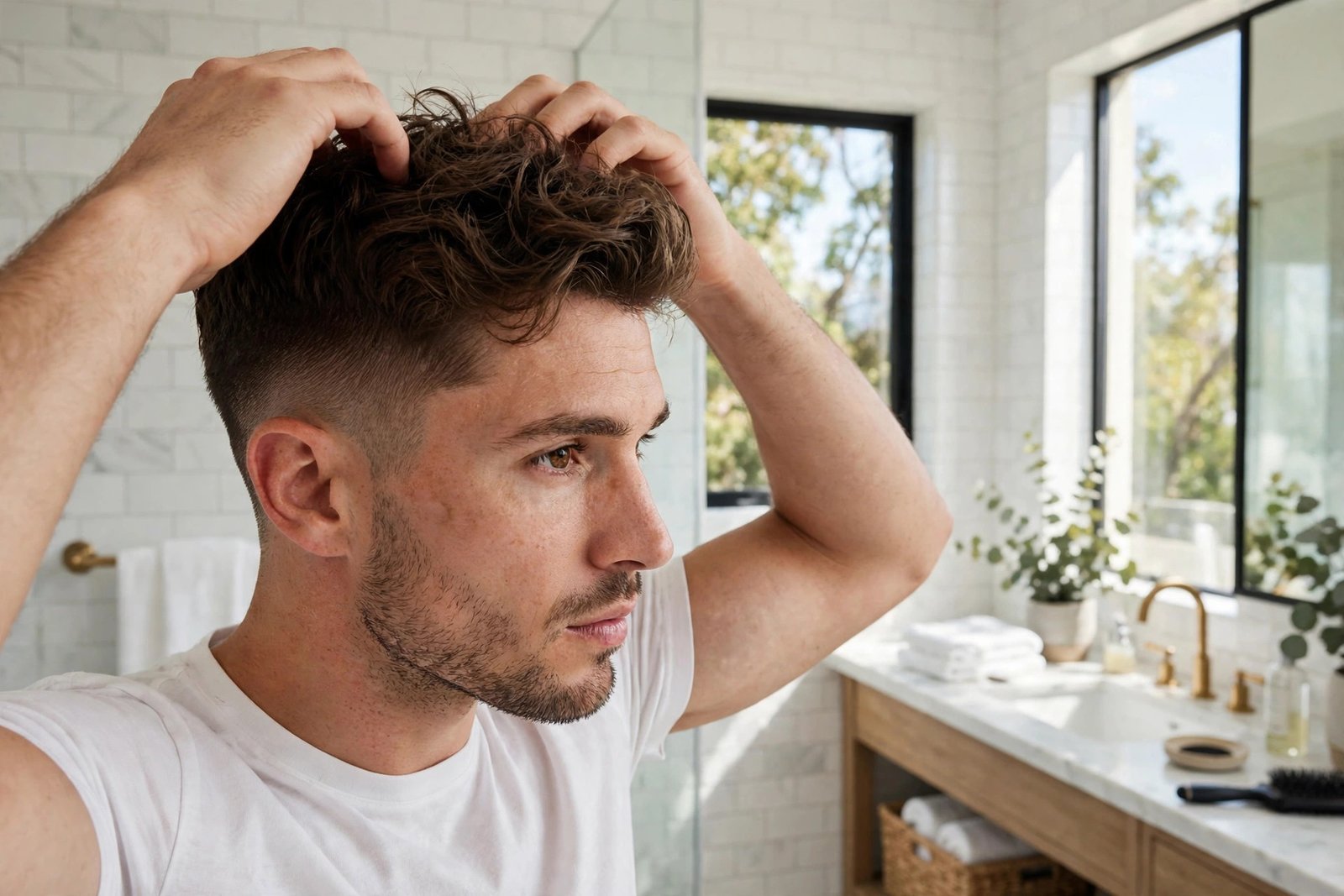
If you want to know how to style wavy short hair, the first thing to accept is that wavy hair does not want to be forced straight, slicked flat, or loaded with heavy product until it gives up. Wavy hair wants direction, light control, and room to form its natural S-pattern. When you work with that pattern instead of against it, short wavy hair is one of the easiest types to style: it has natural texture, natural movement, and natural volume that straight hair has to fake with product. When you fight it, you get the familiar complaints — frizz on top, puff at the sides, a fringe that curls the wrong way by lunchtime, and hair that looks dry and crunchy at the same time.
This guide is specific to short hair: roughly one to four inches on top, with faded, tapered, or scissor-cut sides. At that length, waves behave differently than they do on medium hair. There is not enough weight to pull the wave smooth, so the pattern is livelier, the ends are more visible, and the wrong product shows up immediately. Everything below — the cut lengths to ask for, the products that actually help, the five-minute morning routine, and the mistakes that ruin wavy short hair — is framed for that length. If you are still choosing the cut itself, start with our guide to the best short haircuts for wavy hair, then come back here for the daily styling system.
How to style wavy short hair starts with the cut
No routine fixes a cut that fights your wave pattern. Before products, check that your haircut is giving your waves a chance.
Lengths that let waves form
A wave needs a minimum length to complete its S-bend. On most men, that is around one and a half to two inches on top. Shorter than that — a number 4 or 5 guard all over, for example — and the hair reads as texture rather than visible waves, which is fine if that is the look you want, but you cannot style waves that are not there. The sweet spot for visible, manageable waves on short hair is two to three and a half inches on top, worn forward as a textured crop, pushed loosely back as a short quiff, or parted softly to one side.
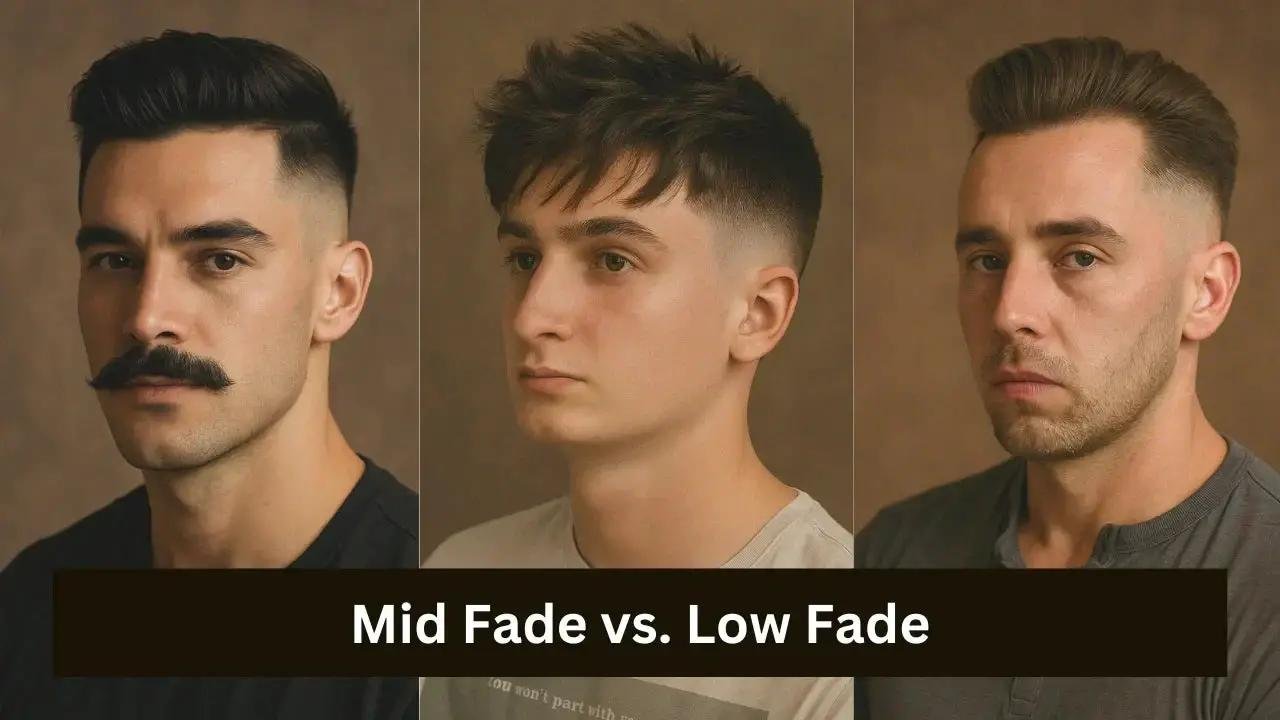
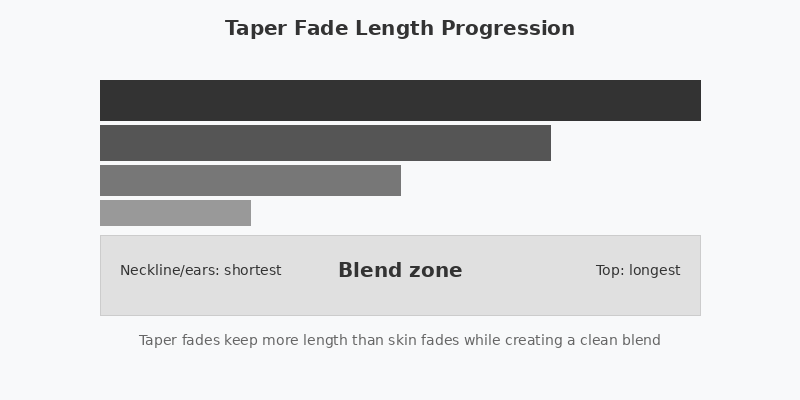
Ask your barber to cut with the wave, not across it. In practical terms that means: point-cutting or light texturising on the ends rather than blunt, heavy lines through the top; keeping a little length at the front so the fringe can bend naturally; and removing bulk from the sides and the parietal ridge — the area where the top meets the sides — so the silhouette stays close instead of puffing out. Tell the barber, in plain words: “Keep two to three inches on top, cut it to enhance the natural wave, take the bulk out of the sides, and fade or taper the back and sides so it grows out clean.” If you wear a fade, a low or mid fade usually suits wavy tops best because it leaves enough side length to blend into the wave; very high, tight fades can leave a visible shelf where the wavy top meets skin-short sides.
Upkeep cadence for wavy short cuts
Wavy short hair hides growth better than straight short hair — the pattern disguises uneven length — but the sides give it away. Plan on a barber visit every three to four weeks for faded sides, or every four to five weeks for a tapered, scissor-cut shape. Between visits, the top rarely needs attention; if the fringe starts falling in your eyes, that is a sign the top was left a touch long, not a reason to trim it yourself.
What wavy short hair actually needs from a product
Wavy hair sits between straight and curly, and its product needs are specific. It needs light-to-medium hold, moisture without weight, and definition without stiffness. Heavy waxes and firm gels designed for straight hair tend to either flatten the wave or separate it into stringy pieces. Very light creams designed for fine hair disappear by midday.
Three jobs matter:
First, definition. A good wavy-hair product groups strands into clean, visible waves instead of letting them separate into frizz. That grouping is what makes waves look intentional rather than messy.
Second, frizz control without flattening. Frizz on wavy hair is usually dryness plus disturbance: hair washed too often, dried too roughly, or touched too much while drying. Product helps, but technique — covered in the routine below — does at least half the work.
Third, reworkability. Wavy hair changes through the day as humidity, hats, and hands get to it. A product that sets hard cannot be fixed without water. A product that stays flexible can be reshaped with damp fingers in ten seconds.
The best products for wavy short hair, by job
Product content on this site uses price bands and owner-feedback framing rather than precise prices. As a guide, most products below sit in the budget band (under about $12), the mid band (about $12–$22), or the premium band (above about $22), and the differences are usually about fragrance, wash-out, and how concentrated the tub is — not a completely different result on the hair.
Sea salt spray: the wave enhancer
Sea salt spray is the single most useful pre-styler for wavy short hair. The salt adds grip and a matte, beachy separation that encourages the natural pattern to show. Use it on damp hair, three to five sprays worked through the top, before any finishing product. On its own it gives light hold and a relaxed, undone finish for off-duty days. Our guide to the best sea salt spray for men explains what to look for. The caution: salt is drying. If your hair already feels dry, limit sea salt spray to a few days a week and pair it with a conditioner routine, below.
Light paste and cream: the everyday finishers
For most men with wavy short hair, a light-to-medium paste or a styling cream is the right daily finisher. Paste gives a natural, low-shine finish with enough hold to direct the fringe and keep the top grouped into waves. Cream gives less hold but more softness and moisture, and suits longer short tops — three to four inches — worn loose. Apply a pea-sized amount to dry or almost-dry hair, emulsify it fully between your palms, and work it through from the back to the front so the fringe gets whatever is left on your hands rather than the full dose. That one habit prevents the heavy-front, fluffy-back result beginners often get.
Pomade: use the light, water-based kind only
Pomade can work on wavy hair when you want a neater, more directed style — a soft side part or a swept-back short top for a smarter setting — but choose carefully. A light or medium water-based pomade adds control and a little shine without locking the wave flat. Heavy oil-based pomades weigh waves down and are hard to wash out. Apply pomade to damp hair and comb it into place, then break the surface up lightly with your fingers so the wave still reads. For types and hold levels, see our guide to the best pomade for men’s short hair.
What to avoid on wavy short hair
Avoid firm gels that dry hard: they create crunch, flake when the wave moves, and make short wavy hair look wet and thin at the same time. Avoid heavy waxes as a daily default: they can be useful for a very short, piecey crop, but on a wavy top they tend to separate the pattern into clumps. Avoid piling on volumising mousse expecting control — mousse adds lift, not direction, and on wavy hair that lift often reads as puff. And avoid using more product as the answer to a bad hair day; on wavy hair, excess product is more often the cause than the cure. The wider landscape is covered in our hub guide to the best hair products for men’s short hairstyles.
The daily routine: how to style wavy short hair in five minutes
Step 1 — Start damp, not dripping and not bone dry
Waves form as hair dries. If you style completely dry hair, you are trying to reshape a pattern that has already set, usually its overnight, flattened version. In the morning, either style straight after a shower or reset the hair by wetting it with your hands or a spray bottle until it is evenly damp. You do not need to shampoo every day — in fact, most wavy hair looks better on second-day mornings, reset with water alone.
Step 2 — Pre-style while damp
Work three to five sprays of sea salt spray, or a small pea of cream, through the damp top. Push the hair in the direction you will wear it: forward for a crop, up and back for a short quiff, to the side for a soft part. This direction-setting while damp matters more than the finishing product.
Step 3 — Dry with direction, and stop touching it
Air-drying gives the softest, most natural wave and is the best option when you have time. If you blow-dry, use medium heat and low-to-medium airflow, push the hair with your free hand in its wearing direction, and finish before the hair is completely dry and fluffy. The most common wavy-hair mistake happens in this step: running your fingers through the hair repeatedly while it dries. Every pass separates the strands you want grouped. Set the direction, then leave it alone until it is dry.
Step 4 — Finish on dry hair, sparingly
Once dry, emulsify a pea-sized amount of paste or cream and work it through from back to front, then pinch and twist a few sections at the front with your fingertips to define the wave ends. Look for the overall shape, not individual hairs. If a section is frizzy, smooth it down with the flat of your palm rather than raking it with fingers.
Step 5 — Refresh, do not restyle, later in the day
If the style drops or frizzes by afternoon, wet your fingertips and reshape only the sections that need it. A tiny amount of cream on damp fingers revives most wavy styles. Carrying a whole tub and reapplying dry product on top of old product is how build-up and dullness start.
Washing and conditioning: the part most men get wrong
Wavy hair is usually drier than straight hair because natural oils travel more slowly along a bent strand. Daily shampooing with a strong shampoo strips those oils and is a leading cause of the frizz men then try to fix with more product. For most men with short wavy hair, shampooing two to three times a week is enough, with water-only rinses on other shower days. Condition every time you shampoo, and leave the conditioner in for a minute or two before rinsing. On very dry hair, a small amount of leave-in conditioner worked through damp hair once or twice a week makes a bigger difference than any styling product swap. Dry the hair by pressing and squeezing with the towel rather than rubbing it vigorously — rubbing roughs the surface and creates the frizz you then have to style away.
Styling wavy short hair by style
Textured crop, worn forward. Keep two to three inches on top, pre-style with sea salt spray, dry forward, and finish with a pea of paste pinched into the fringe ends. This is the lowest-effort wavy style and the most forgiving as it grows out.
Short quiff. Keep three to three and a half inches at the front, shorter toward the back. Dry up and back with the dryer for lift at the roots, then finish with light paste. Do not overload the front — a heavy quiff on wavy hair collapses into a curl over the forehead.
Soft side part. Keep two and a half to three and a half inches on top, find the natural part by pushing damp hair back and seeing where it splits, and use light water-based pomade on damp hair. The wave will soften the part line, which is the point: on wavy hair a hard, razored part usually fights the pattern.
Natural tapered top, no fade. Keep the sides scissored and blended, style with cream only, and let the pattern do the work. This is the best option for professional settings where a fade feels too sharp, and for men who want the longest time between barber visits.
Common mistakes that ruin wavy short hair
The first is cutting it too short on top and then expecting visible waves. The second is shampooing daily and skipping conditioner, then blaming the product for frizz. The third is applying finishing product to soaking-wet hair, where it dilutes and sets unevenly, or to completely dry hair, where it sits on the surface. The fourth is touching the hair constantly while it dries. The fifth is choosing hold by the strongest number on the tub: on wavy hair, medium hold applied correctly beats maximum hold applied heavily, almost every time.
Frequently asked questions
How often should men with wavy short hair shampoo?
For most men, two to three times a week is enough, with conditioner each time and water-only rinses on other days. If your scalp gets oily quickly or you train daily, shampoo as needed but use a gentle shampoo and always follow with conditioner.
Should wavy short hair be styled wet or dry?
Start the routine on damp hair — that is when the wave pattern forms — and apply the finishing paste or cream once the hair is dry or nearly dry. Pre-stylers such as sea salt spray go on damp; finishers go on dry.
What is the best product for wavy short hair?
For most men it is a two-part answer: sea salt spray as a pre-styler on damp hair for definition, and a light-to-medium paste as the finisher for natural hold. Cream suits longer, looser short tops; light water-based pomade suits neater, directed styles.
Why does my wavy short hair get frizzy by afternoon?
Usually dryness, over-touching while drying, or too much shampoo. Condition consistently, set the direction while damp and then leave the hair alone as it dries, and refresh later with damp fingertips rather than dry product.
How long does the top need to be for waves to show?
On most men, visible waves need around one and a half to two inches on top, with two to three and a half inches being the easiest range to style. Shorter than that, the hair reads as texture rather than a wave pattern.
Can I get a fade with wavy short hair?
Yes. A low or mid fade usually blends best with a wavy top because it leaves enough side length to transition into the pattern. Ask the barber to remove bulk at the ridge where the top meets the sides so the silhouette does not puff out as it grows.
The bottom line
Learning how to style wavy short hair is mostly learning restraint: the right length on top so the pattern can form, a barber who removes bulk instead of fighting the wave, a light pre-styler on damp hair, a small amount of paste or cream to finish, and the discipline to stop touching it while it dries. Get those five things right and wavy short hair stops being the hair type you battle each morning and becomes what it should be — the hair type that arrives with its texture already built in.