Why this guide matters
Many men search for haircut ideas but still struggle to choose a style that actually fits their face shape, hair type, routine, and comfort level. This guide is designed to solve that problem. Instead of listing random haircut names, it explains how to choose a short hairstyle that works in real life.
This article is meant to be a cornerstone resource for readers who want practical direction before visiting a barber. It also connects to more specific guides on fades, textured crops, matte clay, thick hair, thinning hair, and product choices.
What counts as a short hairstyle for men?
A men’s short hairstyle usually keeps the sides and back close to the head while leaving enough length on top for shape, texture, or light styling. Short styles are popular because they are clean, versatile, and easier to maintain than medium or long hair.
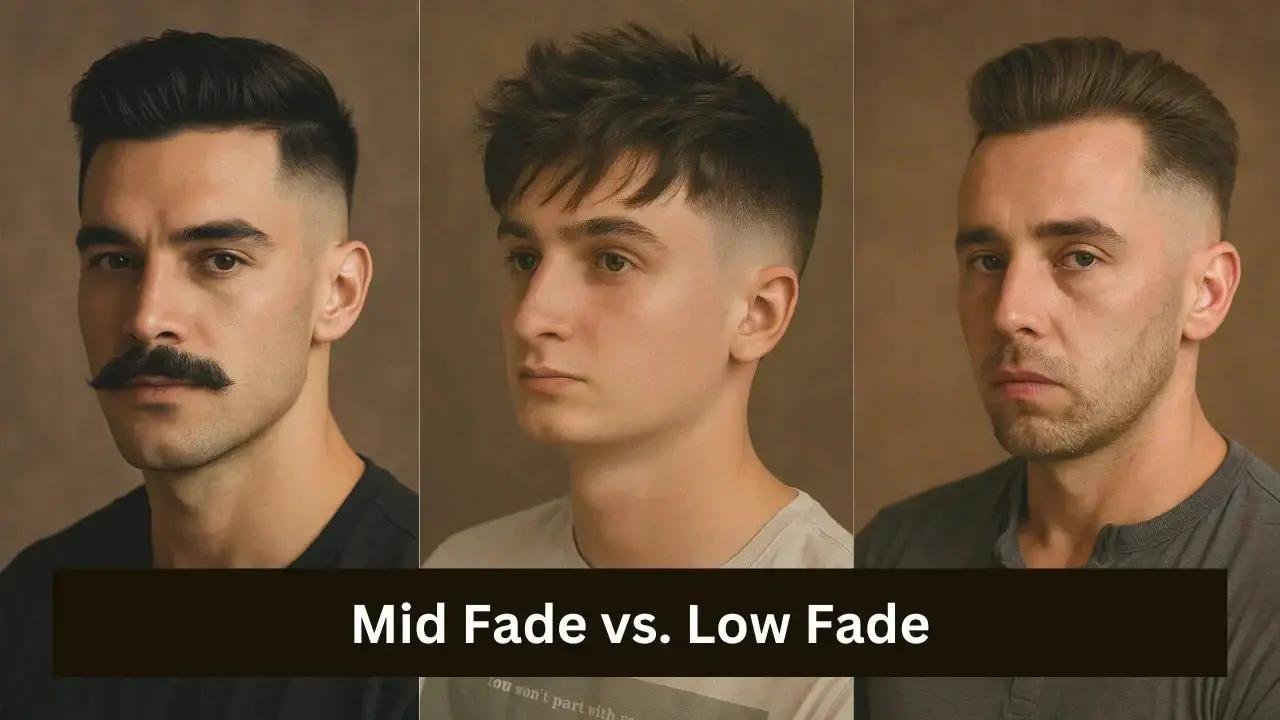
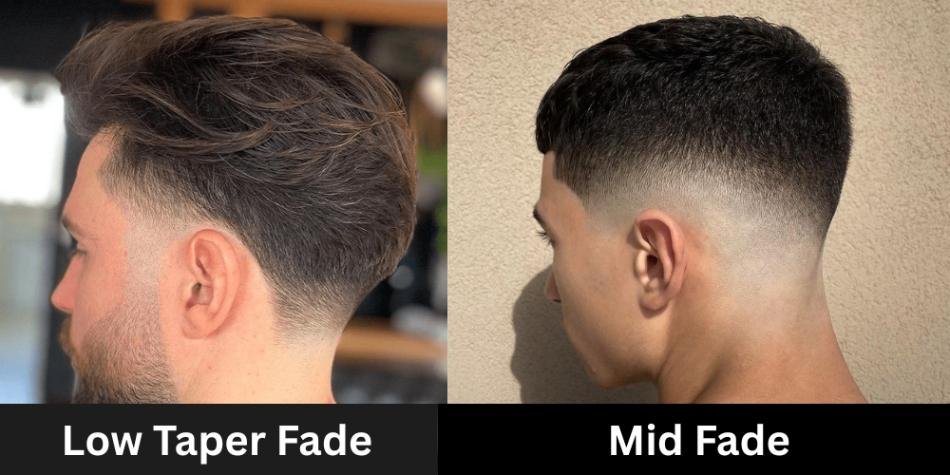
Common examples include the buzz cut, crew cut, textured crop, Caesar cut, Ivy League, short quiff, short pompadour, side part, taper fade, and different fade variations.
How to choose the right short haircut
1. Start with your face shape
Your face shape helps determine which haircut proportions tend to look balanced. For a deeper breakdown, read our guide to the best short haircuts by face shape.
- Oval face: works with almost any short haircut, including crops, crew cuts, quiffs, and side parts.
- Round face: usually benefits from more height on top and tighter sides.
- Square face: looks strong with classic cuts, fades, and textured short styles.
- Oblong face: often looks better with less height on top and a more balanced silhouette.
- Heart face: can work well with textured fringe and styles that do not make the forehead look wider.
2. Consider your hair type
- Thick hair: great for textured crops, short quiffs, and layered cuts.
- Fine hair: usually does better with lightweight texture and less heavy product.
- Straight hair: can look sharp in classic or modern clean cuts.
- Wavy hair: works well with textured styles and natural movement.
- Curly hair: often benefits from shape, controlled length, and clean tapering around the sides.
3. Be honest about maintenance
Some short haircuts still need daily styling. Others look good with almost no effort.
- Low maintenance: buzz cut, crew cut, short Caesar
- Medium maintenance: textured crop, Ivy League, taper fade
- Higher maintenance: short quiff, side part, short pompadour
Best short hairstyles by hair goal
Best for easy upkeep: Buzz cut
The buzz cut is one of the simplest haircuts for men. It is clean, masculine, and easy to manage. It works especially well for men who want almost no styling time.
Best overall: Crew cut
The crew cut is a reliable choice for most men because it is neat, timeless, and flattering on many face shapes. It can be worn with a taper, fade, or slightly textured top.
Best for modern texture: Textured crop
The textured crop is a modern favorite because it adds movement and shape without demanding a lot of length. It works especially well with matte products and natural styling. For a simple routine, see how to style a textured crop at home.
Best for a clean professional look: Ivy League
The Ivy League offers more polish than a basic crew cut. It is still short and practical, but it gives enough length on top for a part or a slightly dressier finish.
Best for volume: Short quiff
The short quiff adds height and personality. It is a good choice for men who want a sharper look, but it usually needs a blow dryer or styling product to look its best.
Best short hairstyles by hair type
For thick hair
Thick hair can handle more texture, layers, and stronger shape. Good options include the textured crop, French crop, short quiff, and crew cut with fade. For more examples, read our guide to the best short haircuts for thick hair.
For fine or thin hair
Fine hair usually looks better with styles that create light texture without too much weight. A short crew cut, Caesar cut, or soft textured crop can work well. Heavy greasy products often make fine hair look flatter.
For receding hairlines
If your main concern is the hairline, the right short cut can make the front look more intentional. Buzz cuts, textured crops, Caesar cuts, and short crew cuts are common options. See our guide to the best haircuts for men with receding hairlines for more specific advice.
For wavy hair
Wavy hair has natural movement, so short styles should work with that texture instead of fighting it. Crops, layered short cuts, and taper styles usually look natural and easy.
For curly hair
Curly hair often looks best when the sides are kept neat and the top keeps enough length for the curl pattern to show. A curly crop, curly fringe, or taper fade can be strong options.
Best short hairstyles by lifestyle
- Office-friendly: crew cut, Ivy League, side part, taper fade
- Gym-friendly: buzz cut, Caesar, short crop
- Trend-focused: textured crop, low fade with fringe, messy short quiff
- Minimal styling: buzz cut, crew cut, short Caesar
What to tell your barber
Instead of only naming a haircut, describe the full result you want. Mention the length on top, how tight you want the sides, whether you want a taper or fade, and how much styling you are willing to do at home. It also helps to mention your hair concerns, such as cowlicks, thinning areas, or a receding hairline.
Bringing a photo can help, but the best barber conversations include practical details too. If you want cleaner sides, use our guide on how to ask your barber for a taper fade before your next appointment.
Basic styling products for short hair
- Matte clay: best for texture and natural finish
- Paste: flexible hold for everyday use
- Pomade: better for cleaner, shinier styles
- Sea salt spray: useful for light texture and volume
- Cream: softer control with less stiffness
For product help, start with our guide to the best hair products for men’s short hairstyles. If you already know you want a dry textured finish, our best matte clay for short hair guide is a closer fit.
Common mistakes when choosing a short haircut
- Choosing a trend without considering face shape
- Picking a style that needs more styling time than you will actually do
- Using heavy product on fine hair
- Keeping the sides too bulky for your head shape
- Not scheduling trims often enough
Final thoughts
The best men’s short hairstyle is the one that fits your face shape, hair type, daily routine, and personal style. A clean haircut does not need to be complicated. Starting with the right shape and the right amount of maintenance usually matters more than chasing the newest trend.
Once you know what works for your hair, short styles become much easier to manage and much more consistent day to day.